
Products
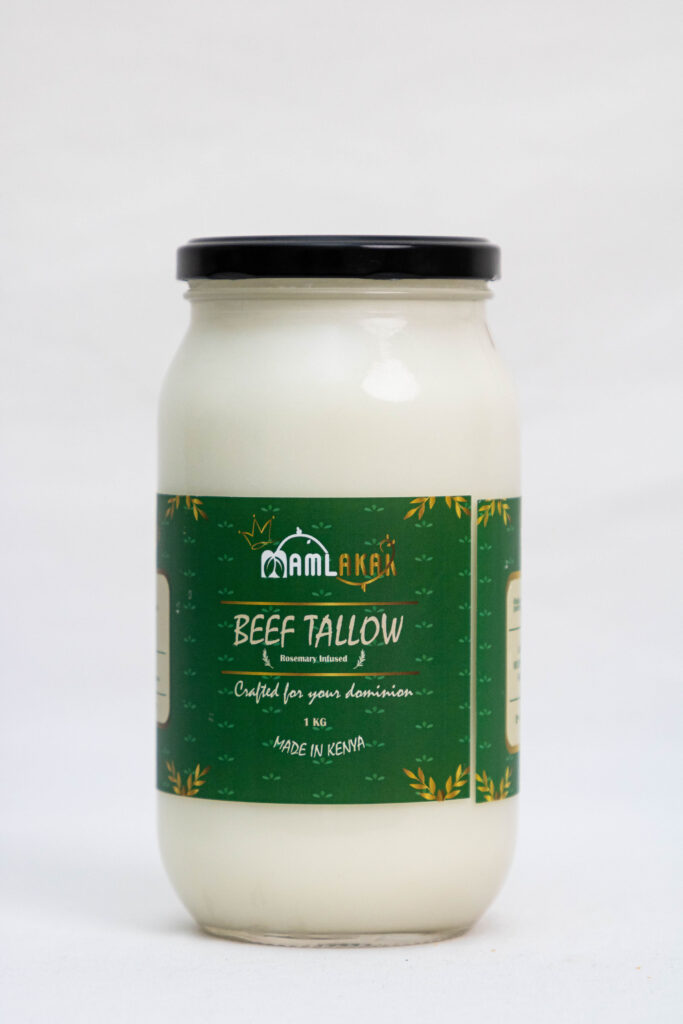
Cooking Fat
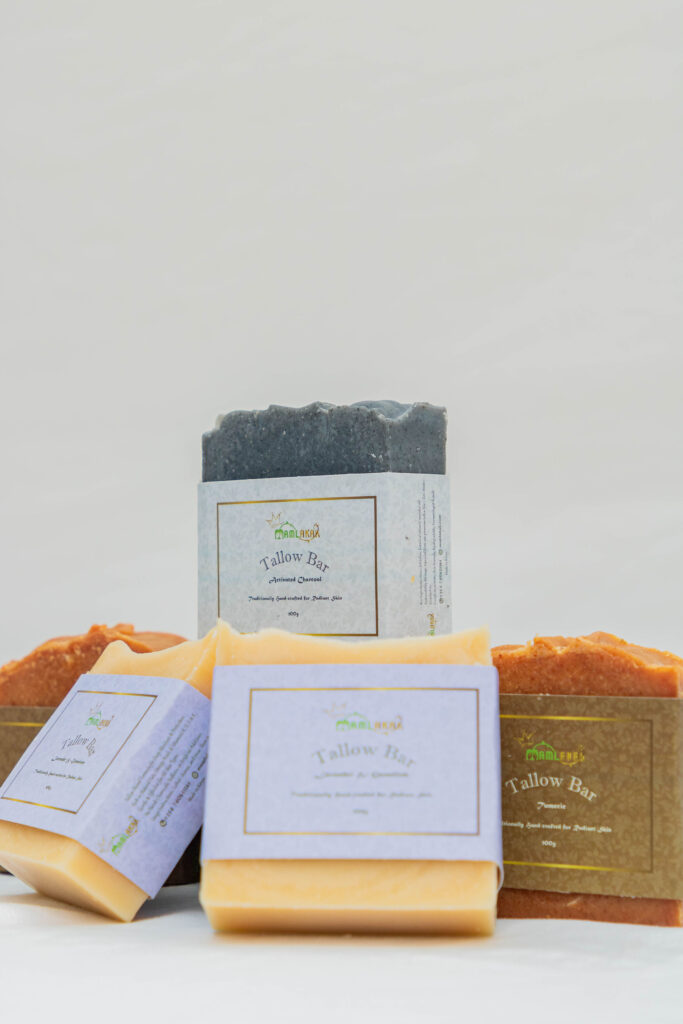
Bar Soap

Frequently Asked Questions
About our naturally rendered animal fat.
What is beef tallow?
Beef tallow is a rendered fat derived from the fatty tissue surrounding the organs of cows, often referred to as beef drippings. At Mamlakak, our beef tallow is sourced from 100% grass-fed cattle, carefully heated and clarified to produce a stable, semi-solid fat. It has been used for centuries in cooking, skincare, and other applications due to its rich nutrient profile and versatility.
What is the use for beef tallow?
Mamlakak beef tallow is a versatile product with multiple applications. In the kitchen, its high smoke point makes it ideal for frying, roasting, sautéing, and baking, imparting a rich, savory flavor to dishes like French fries, roasted vegetables, and meats. Beyond cooking, our tallow is a popular skincare ingredient, used in balms, soaps, and moisturizers for its hydrating and nourishing properties. It can also be used in traditional applications like candle-making or as a natural lubricant for tools.
What are the side effects?
While Mamlakak beef tallow is generally safe for cooking and topical use, there are potential side effects to consider. For dietary use, its high saturated fat content (about 50%) may increase LDL cholesterol if consumed in excess, potentially raising the risk of heart disease, though stearic acid may mitigate this effect. The American Heart Association recommends limiting saturated fat to less than 6-10% of daily calories. Topically, beef tallow is comedogenic and may clog pores, especially for those with oily or acne-prone skin, potentially leading to breakouts. It may also cause irritation or allergic reactions in some individuals, particularly those with red meat allergies or alpha-gal syndrome. Additionally, tallow can have a faint beefy odor and may stain fabrics. Always consult a healthcare provider or dermatologist before incorporating tallow into your diet or skincare routine, especially if you have specific health or skin conditions.
How does beef tallow compare to seed oils?
Beef tallow and seed oils (such as canola, soybean, or sunflower oil) differ significantly in composition and use. Beef tallow is primarily composed of saturated and monounsaturated fats, with about 50% saturated fat, including stearic acid, which may have a neutral effect on cholesterol levels. It also contains conjugated linoleic acid (CLA) and fat-soluble vitamins (A, D, E, K).
Seed oils, on the other hand, are predominantly unsaturated fats, high in omega-6 fatty acids, which can contribute to inflammation if not balanced with omega-3s.
Beef tallow has a higher smoke point (around 400°F), making it more stable for high-heat cooking compared to many seed oils, which may oxidize and form harmful compounds when heated. However, seed oils are often recommended for heart health due to their lower saturated fat content, though excessive consumption in processed foods may negate these benefits. At Mamlakak, we prioritize beef tallow for its natural, minimally processed nature and robust flavor.
What additives have been used in Mamlakak beef tallow?
Lorem ipsum dolor sit amet, consectetur adipiscing elit, sed do eiusmod tempor incididunt.
What are it’s skin benefits?
Mamlakak beef tallow is biocompatible with human skin due to its similarity to sebum, the skin’s natural oil, allowing it to penetrate deeply and provide hydration. It is rich in fat-soluble vitamins (A, D, E, K) and conjugated linoleic acid (CLA), which may support skin elasticity, reduce inflammation, and promote wound healing. Our grass-fed tallow has been shown to moisturize and hydrate, making it particularly beneficial for dry skin, eczema, or psoriasis. A 2024 study found tallow emulsions effective for moisturizing skin conditions, though results vary by individual. Always perform a patch test before widespread use.